
Wound care solutions

Wound care solutions (WCS)

Skin substitute protocol

CTP/CAMP Graft Success

Wound Bed Preparation Fundamentals

This comprehensive guide explores the essential principles of wound bed preparation and their direct impact on cellular and tissue-based product outcomes.

Clinicians will learn systematic approaches to assess wound readiness, manage bioburden, control moisture, and optimize the healing environment.

Through evidence-based protocols and practical techniques, this resource provides the critical knowledge needed to maximize graft adherence, vascularization, and successful integration of CTPs/CAMPs across various wound types.

Classification of Persistent Tissue Injuries

Types of Chronic Wounds

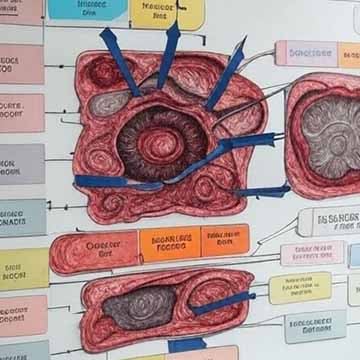
This overview identifies the primary categories of chronic wounds seen in clinical practice, each with distinct pathophysiology and treatment requirements.

Understanding these classifications is essential for targeted assessment and effective management strategies.

Wound Healing

Phases of Wound Healing

Acute Process

Body advances through healing phases in orderly and timely manner

Chronic Status

Wound does not progress as expected, becoming classified as chronic

Systemic Factors

Age, chronic disease and poor nutrition impede normal healing

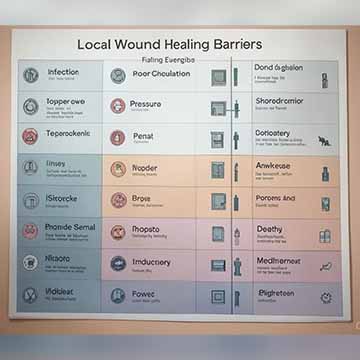
Local Factors

Pressure, trauma, edema, excessive bacteria and decreased oxygen delay healing

Building Excellence.

Dedicated to Building Excellence.

Dedicated to Building Excellence.

Other Wound Applications

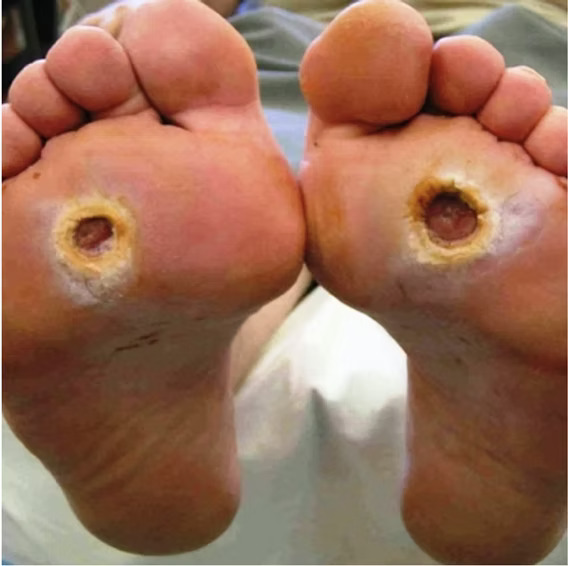
Diabetic Foot
Ulcers (DFUs)
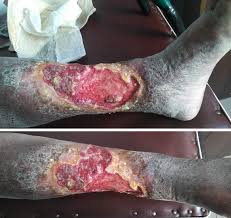
Venous Stasis,
Chronic Scalp
Ulcers (VLUs)
Other Factors Affecting Wound Healing

Other Factors Affecting Wound Healing

Categories of Grafts

Categories of Grafts

Categories of Grafts

T.I.M.E Management Approach to Graft Prep

T

I

M

E

The Policies Focus on Two Main Conditions

The Policies Focus on Two Main Conditions

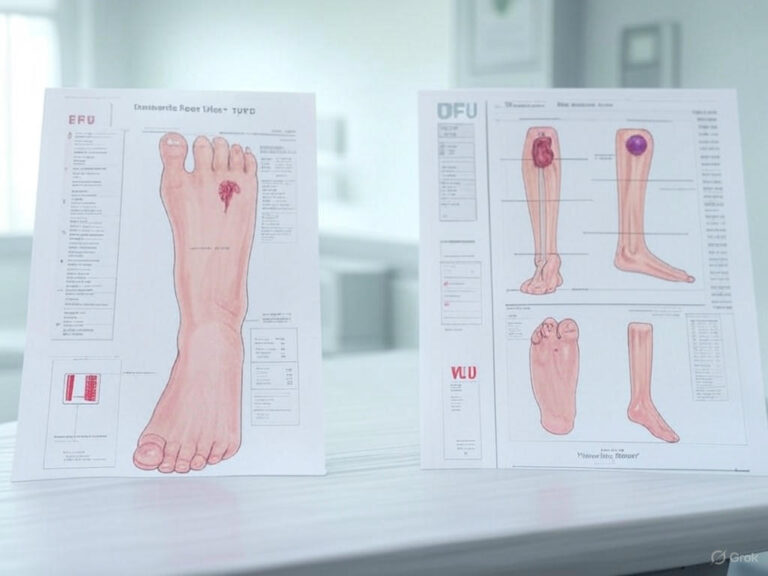
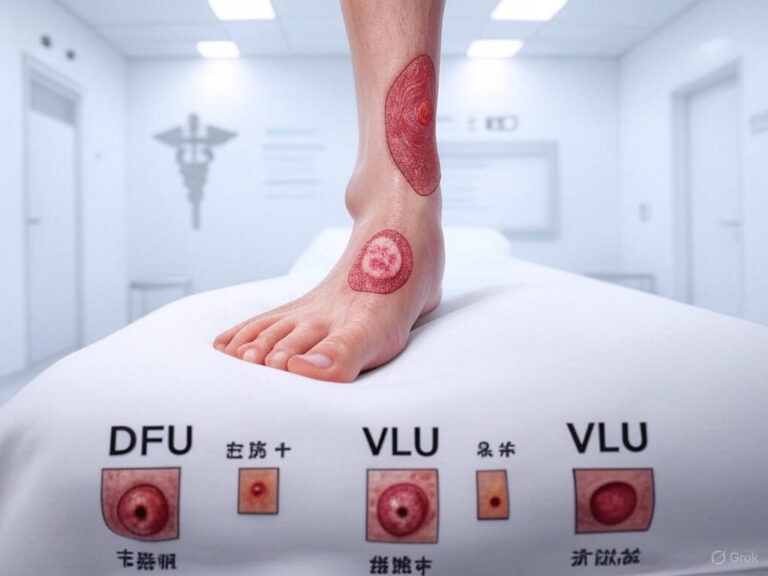
Diabetic Foot Ulcer (DFU) and Venous Leg Ulcer (VLU) since that is the majority of use for skin subs. Therefore, this influences other applications:

Chronic wounds always need to show treatments tried and failed at least 30 days SOC as per definition of “chronic” Adequate blood flow (typically ABI above 0.65 in the last 60 days, however any form documenting blood flow to the wound is acceptable) Controlled diabetes (gold standard is A1C levels under 12% in the last 90 days), however any adequate medical management of the condition is acceptable

Presence of a venous stasis ulcer for at least 3 months Unresponsive to appropriate wound care for at least 30 days with documented compliance Adequate blood flow and diabetic, controlled diabetes

Additional Considerations for Skin Substitute Use

Additional Considerations for Skin Substitute Use

This overview identifies the primary categories of chronic wounds seen in clinical practice, each with distinct pathophysiology and treatment requirements.

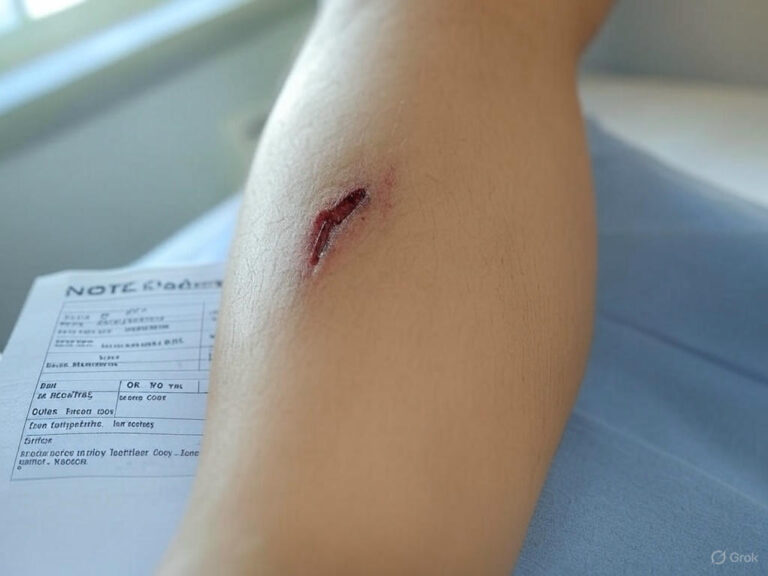
This information must be updated in the medical record throughout treatment. Measurements pre- and post-debridement of the wound bed should be documented. Wound description must also be documented pre- and post-treatment with the skin substitute graft being used. If obvious signs of worsening or lack of treatment response are noted, continuing treatment with the skin substitute would not be considered medically reasonable and necessary without documentation of a reasonable rationale for doing so.

This overview identifies the primary categories of chronic wounds seen in clinical practice, each with distinct pathophysiology and treatment requirements.

Date, time, and location of the ulcer treated Name of the skin substitute and how the product was supplied Amount of product unit used Amount of product unit discarded with the reason for wastage Manufacturer’s serial/lot/batch or other unit identification number of the graft material. If the manufacturer does not supply unit identification, the record must still document such. Consider including pictures of graft packaging.